Blog › Care
How to Untangle a Thin Gold Necklace Without Breaking It
Discover gentle, proven methods to loosen stubborn knots in delicate gold chains without stretching or breaking fragile links.
By McGee Jewelry · Updated 2026-10-26 · 5 min read
What Is the Best Way to Untangle a Delicate Gold Chain?
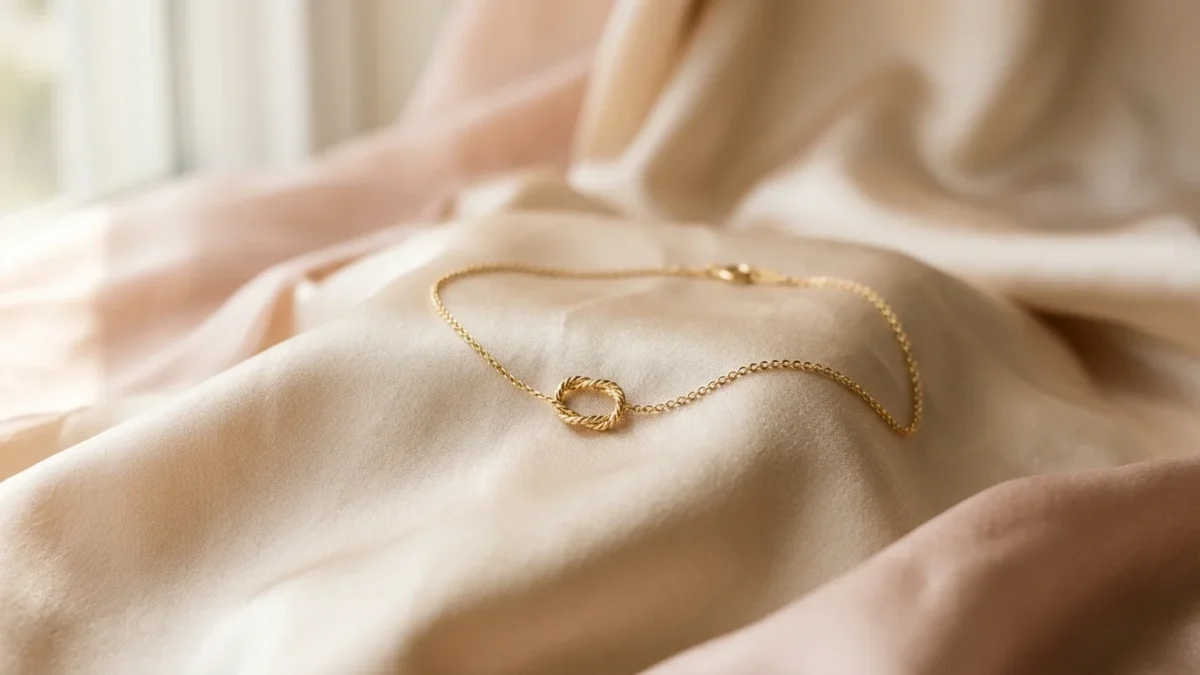
To untangle a delicate gold chain at home, unhook the clasp, place the necklace flat on a well-lit surface, apply a drop of baby oil to the knot, and gently tease the links apart using two sewing needles. Never yank or pull the ends, as tension tightens knots and can snap fragile gold links.
Fine gold necklaces are particularly susceptible to knots because their tiny cable, rope, or box links interlock easily when stored loosely. Attempting to force a knot open with your fingers usually creates tighter tension, stretching the soft gold wire or causing a complete break. By taking a slow, methodical approach with the right tools, you can safely restore your favorite piece without a costly repair.
Understanding how metal links interact under pressure is essential. Gold is a relatively soft metal, which means pulling on a tight knot can permanently distort individual links or weaken solder points. Resting the piece on a solid surface eliminates unnecessary pulling forces while you work on the knot from the inside out.
Essential Tools You Need Before Starting
Before attempting to loosen a stubborn tangle, set up a proper workspace. Having the right household items prepared makes the process significantly faster and prevents frustration.
- A flat, hard surface: A white paper towel, plain white paper, or ceramic plate provides high contrast so you can see microscopic links clearly.
- Two fine-point tools: Sewing needles, safety pins, or thin wooden toothpicks allow you to manipulate individual loops without scratching the metal.
- A gentle lubricant: Baby oil, mineral oil, olive oil, or liquid dish soap reduces friction between metal links so they slide past each other easily.
- Good lighting and magnification: Direct overhead light and a magnifying glass or smartphone camera zoom help you identify where the chain weaves back through itself.
Setting up your workspace in a quiet area prevents accidental bumps or breezes from disturbing your work. Before attempting any technique, review general proper jewelry care practices to make sure your work area and hands are clean.
Step-by-Step: How to Untangle a Necklace with Household Lubricants
Learning how to untangle a necklace requires patience and a light touch. Follow these steps to work through even severe knots without putting excess pressure on fragile metal links.
- Unclasp the Chain: Always unfasten the necklace clasp before starting. Leaving the chain clasped creates continuous loops that feed back into the knot, making it much harder to unweave.
- Lay the Piece Flat: Place the unfastened chain flat on your prepared surface. Gently pull the free ends away from the central tangle so they lie flat without crossing over one another.
- Apply a Lubricant: Place a single drop of baby oil or mineral oil directly onto the knot using a cotton swab or toothpick. Allow the oil to seep into the tiny gaps between the links for a few seconds.
- Tease the Center of the Knot: Insert the pointed tips of two sewing needles into the center of the tangle. Slowly wiggle the needles in opposite directions, easing the loop outward rather than pulling the outer ends.
- Open the Loops: As the knot begins to loosen, use the needles to pull individual loops of the chain out of the main cluster one at a time until the entire chain lies straight.
- Clean and Dry: Wash the unknotted necklace in warm water mixed with a drop of mild dish soap to remove oil residue, then pat dry with a soft microfiber cloth.
If you are working with flattened chain styles, such as those featured in our herringbone chain guide, avoid bending links sharply. Flat chain weaves can kink permanently if twisted sideways during untangling.
Which Household Lubricant Works Best for Jewelry Knots?
Different household lubricants offer distinct advantages depending on what you have available and how tight the knot is. Selecting the right substance makes loosening metal links easier while protecting your piece from damage.
| Lubricant | Ease of Cleaning | Risk to Metal | Best Used For |
|---|---|---|---|
| Baby Oil / Mineral Oil | Easy with dish soap | Extremely Low | Tight knots on fine, delicate gold chains |
| Olive Oil | Requires thorough washing | Low (may leave film) | Quick home fixes when mineral oil is unavailable |
| Liquid Dish Soap | Very easy (rinses clean) | None | Light tangles and routine metal safe-cleaning |
| Baby Powder / Talcum | Easy (brush or rinse) | None | Dry untangling when you want to avoid liquid residue |
Using non-abrasive lubricants protects the surface finish of fine jewelry. For delicate karat alloys and custom pieces, learning about understanding fine gold properties helps you choose safe, non-reactive cleaning methods for home maintenance.
How Can You Prevent Gold Necklaces From Tangling in the Future?
Preventing knots before they form saves time and protects delicate chains from premature wear and stress. Adopting simple daily storage habits reduces the risk of tangled jewelry significantly.
- Use the Straw Trick: Thread one end of an unclasped thin chain through a paper or reusable drinking straw, then fasten the clasp outside the straw. This keeps the chain straight during travel.
- Hang Chains Vertically: Store necklaces on vertical stands, wall pegs, or velvet-lined hanging hooks instead of laying them flat in a drawer.
- Fasten Clasps After Removal: Always close the spring ring or lobster clasp immediately after taking off your necklace to prevent loose ends from threading into loops.
- Separate Individual Pieces: Store each necklace in its own soft cloth pouch or dedicated compartment to keep chains from intertwining.
When wearing multiple delicate chains together, select lengths spaced at least two inches apart to minimize twisting and rubbing throughout the day.
Mastering thoughtful storage techniques is essential whether you are building a personalized collection for necklace layering techniques or keeping a single daily favorite safe between wearings.
When Should You Take a Tangled Chain to a Professional Jeweler?
While most home tangles resolve with oil and needles, certain severe situations require professional intervention. If a chain has multiple tight knots fused together or shows visible stretching, forcing it at home can snap the gold wire completely.
Flat or woven chain styles—such as snake, herringbone, and omega chains—can kink rather than knot. Once a flat link bends or folds back on itself, pulling on it will crack the gold rather than straighten it. A professional bench jeweler uses specialized micro-tools and micro-soldering equipment to repair bent or broken links safely.
Extra care is also recommended for electroplated items. Heavy friction or sharp sewing needles can scrape away thin exterior gold layers. If you routinely wear plated pieces, consult our overview on gold-plated jewelry to understand how surface layers react to wear, or explore everyday jewelry styling advice to choose low-maintenance alternatives.
Frequently asked questions
Can Windex really help untangle a gold chain?
Yes, Windex acts as an effective lubricant for jewelry knots because it reduces surface tension around metal links. However, plain baby oil or dish soap is generally safer for delicate metals and gemstone accents.
Will olive oil damage 14k or 18k solid gold jewelry?
Olive oil will not damage 14k or 18k solid gold, as gold does not react with vegetable oils. You must, however, wash the chain thoroughly with mild dish soap afterward to prevent oily residue from attracting dirt.
How do I untangle a thin chain without using oil or powder?
To untangle a chain dry, place it flat on a non-slip surface under bright light and work two needle tips gently into the center of the knot. Wiggle the tips apart slowly to expand the loop without applying tension to the ends.
What should I do if my gold necklace gets kinked instead of knotted?
Do not force a kinked chain flat with pliers or fingers, as bending gold back and forth causes metal fatigue and snaps the link. Take kinked herringbone or snake chains to a jeweler for professional smoothing or repair.
How do I store thin necklaces when traveling so they don't tangle?
Thread each chain through a drinking straw or wrap each piece individually in plastic cling wrap before placing it in your travel case. Always close the clasp before packing to prevent loose ends from catching.
Keep reading
How to Clean Tarnished Sterling Silver at Home ?
Learn how to clean sterling silver jewelry safely at home using simple kitchen items. Restore shine to your rings, chains, and earrings easily.
Why Does Gold Jewelry Turn Skin Green or Black?
Wondering why does gold turn skin green or black? Discover the simple chemical causes behind jewelry marks and how to protect your skin effortlessly.
How to Measure Ring Size at Home Without a Ring
Learn how to measure ring size at home accurately without an existing ring using string or paper. Find your perfect fit with our step-by-step guide.